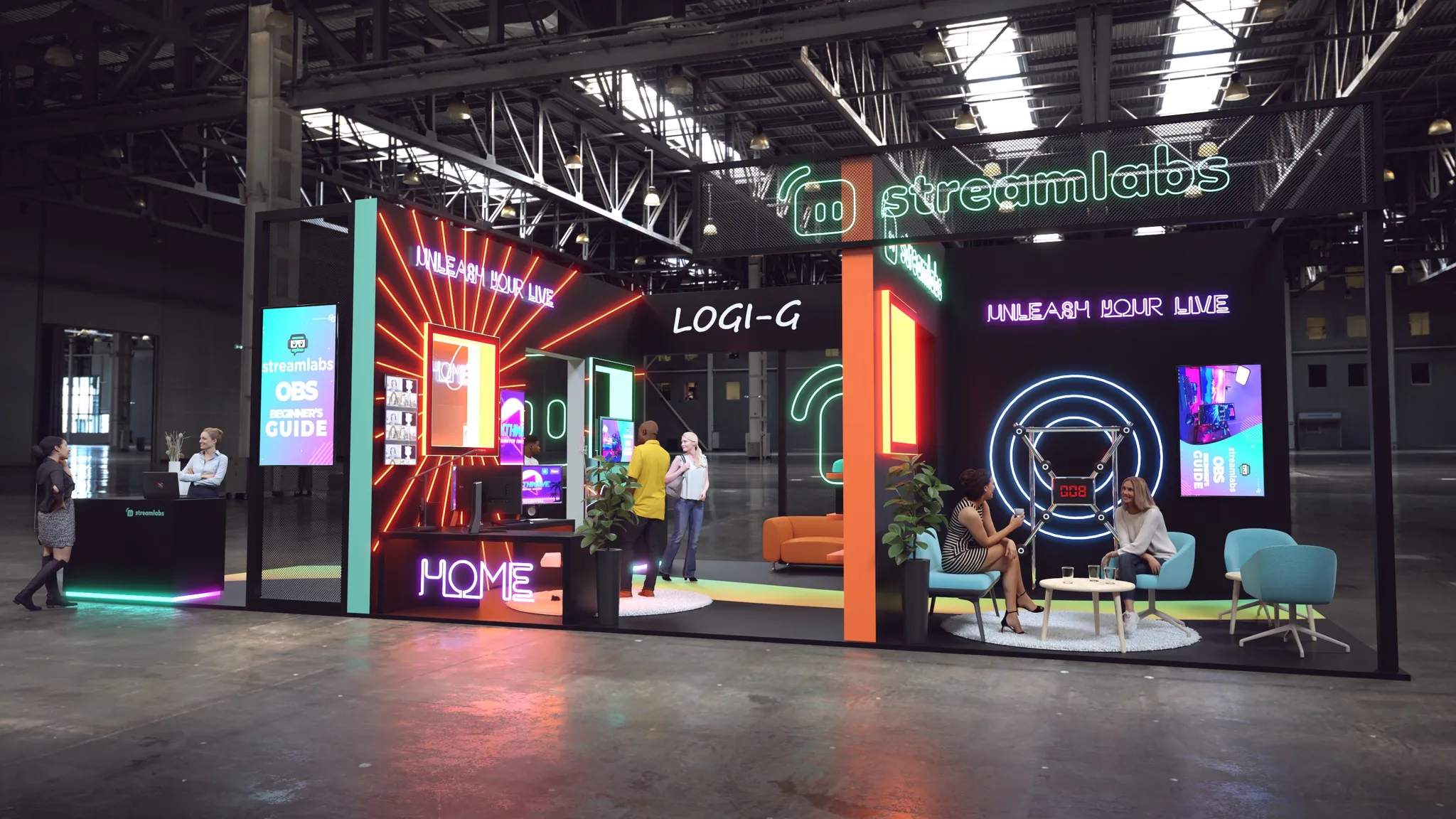
Backlit and LED displays in Irvine, CA cover two related products: silicone-edge-graphic (SEG) light boxes that glow with even, edge-lit fabric, and LED video walls that play motion content on a tiled panel surface.
Both solve the same problem differently. A light box delivers a clean, always-on glow with no moving parts; an LED wall delivers motion, data, and live content at the cost of more power, rigging, and on-site technical support.
Trade Show Services of Irvine specs, builds, and runs both, planning the power, data, and rigging against the specific venue, because an illuminated display lives or dies on the infrastructure behind it.
Execution priorities
- power and data loads should be calculated and ordered against the venue's posted specs.
- LED pixel pitch and brightness should match the viewing distance on the floor.
- rigging and ground-support should be approved through the building's path before build.
- content should be sized to the real panel resolution, not a rough guess.
Light box or LED wall for an Irvine booth
The first decision is which technology fits the goal. An SEG light box is the right call when the message is a fixed image that needs to glow brighter than the surrounding booths. It is reliable, quiet, and packs flat.
An LED video wall is the right call when the content moves, changes, or pulls live data, and when the budget supports the power draw and the technical staffing a wall needs to run all show.
Irvine's tech-heavy exhibitor base often wants the LED wall, but the practical answer depends on the venue's power and rigging rules as much as the creative brief.
Venues that shape an illuminated display
Large LED work in the corridor frequently points to the Anaheim Convention Center, a 53-acre campus with 1.8 million total square feet and over a million square feet of exhibit space, 14 miles from Irvine. Its scale supports the biggest walls in the region.
That building also carries hard service rules. Its facility guide names Smart City Networks as the exclusive provider for voice, data, internet, and networking, and Encore as the in-house preferred AV vendor with rigging and house-sound exclusivities in designated areas. A video wall there has to be planned around those exclusives.
Closer to home, innovation-focused spaces like The Cove @ UCI, a 100,000-square-foot facility built for hybrid programs and investor events, are natural fits for LED content tied to demos and pitches rather than a traditional exhibit hall.
Why infrastructure planning is the whole job
A backlit or LED display is only as good as the power, data, and rigging behind it. Most show-floor failures with illuminated displays trace back to an underpowered drop or a rigging approval that came in late.
Trade Show Services of Irvine treats the electrical and rigging plan as the first deliverable, not an afterthought. The load gets calculated, the drop gets ordered against the venue's specs, and any overhead element goes through the building's approval path before the build is locked.
Keeping the technical team local matters most here. When a tile goes dark or a processor drops signal on show morning, a local AV crew is the difference between a quick swap and a dead wall through the busiest hours.
Power, data, and rigging rules
LED walls draw real power and need clean data, so the order has to match the venue's posted electrical and network specs rather than a hopeful estimate.
Rigging is the other gate. Hanging an LED wall or a large light box overhead requires the venue's rigging approval, and at buildings like the Anaheim Convention Center that work runs through the preferred AV vendor in designated areas.
Where overhead rigging is restricted, the answer is ground-supported structure, which changes the booth footprint and has to be designed in from the start rather than bolted on later.
Districts where LED demand concentrates
The Anaheim and Garden Grove convention belt drives the largest LED demand, led by the convention center and its adjacent hotels where big-format walls are routine.
The Irvine Airport and Business Complex core and the UCI innovation venues lean toward smaller, content-driven LED used in demos, product launches, and hybrid programs rather than hall-scale walls.
What a backlit or LED project includes
An SEG light box scope covers the frame, the edge-lit fabric graphic, the LED edge lighting, and the power it needs. It is comparatively simple and ships flat.
An LED video wall scope is heavier: the tiles, the processor and cabling, the mounting or ground-support structure, the content prepared to the panel's true resolution, the power and data orders, and an on-site technician for the show.
The handoffs are technical. Content has to be built to the real pixel resolution, the processor has to be configured before the floor, and the structure has to be approved and inspected. A miss at any step shows up as a dark or stuttering wall.
Scope also names exclusions: organizer fees, any content the client produces in-house, and rigging or power that the venue insists on providing through its own contractors.
How an illuminated display project runs
It starts with the venue, the show dates, the display goal, and the budget, because those decide light box versus LED before anything is designed.
Venue coordination is front-loaded for illuminated work: pull the manual, calculate and order power and data, and submit rigging or ground-support plans for approval well ahead of move-in.
Production builds and bench-tests the display before it ships, so the wall is configured and the content is verified off-site, not discovered on show morning.
Install is run by a named AV-aware lead. Through show hours a technician monitors the display, and closeout includes a clean strike of the electronics and a note on any tile or component to service before the next date.
Cost and lead time for backlit and LED
A backlit light box is the more affordable option and tracks frame size, fabric, and the lighting kit. An LED wall costs considerably more and scales with pixel pitch, total square footage, processing, structure, and on-site labor.
Lead time for a light box runs about 4 to 6 weeks. An LED wall program needs more, often 8 to 12 weeks, because of content production, bench testing, and venue approvals.
Venue power and rigging charges are a real part of the LED number and vary by building, so the estimate is built from the specific venue's published rates rather than a flat figure.
Frequently asked questions
What is the difference between a backlit display and an LED wall?
A backlit display is an SEG light box: a frame with edge-lit fabric that glows as a fixed image, with no moving parts. An LED wall is tiled panels that play motion content and live data, with far more power, rigging, and on-site technical needs behind it.
Can I put an LED wall in any Irvine venue?
Not without checking the rules. Buildings like the Anaheim Convention Center route rigging and AV through preferred vendors and sell power against posted specs. We plan the wall around the specific venue's exclusives and electrical capacity before committing.
What pixel pitch do I need for a trade show LED wall?
It depends on viewing distance. Booth-distance walls usually use a finer pitch so content reads cleanly up close, while a wall meant to be seen from across a hall can use a coarser, more affordable pitch. We match the pitch to your floor position.
Do LED walls need a dedicated technician on-site?
For anything beyond a small panel, yes. A processor can drop signal or a tile can fail, and a local AV technician keeps the wall running through show hours instead of leaving you with a dark display during peak traffic.
How much power does an illuminated display draw?
A light box draws little and is easy to power. An LED wall draws real load that has to be calculated and ordered against the venue's electrical specs, which is why we treat the power plan as the first deliverable on LED projects.
Is a light box cheaper than an LED wall?
Considerably. A backlit SEG light box tracks frame size and fabric and ships flat, while an LED wall scales with pitch, square footage, processing, structure, and labor. If the message is fixed, a light box usually wins on cost.
How far ahead should I plan an LED wall for an Irvine show?
About 8 to 12 weeks. Content has to be built to the panel's true resolution, the wall gets bench-tested off-site, and venue power and rigging approvals take time. A light box is faster, around 4 to 6 weeks.