
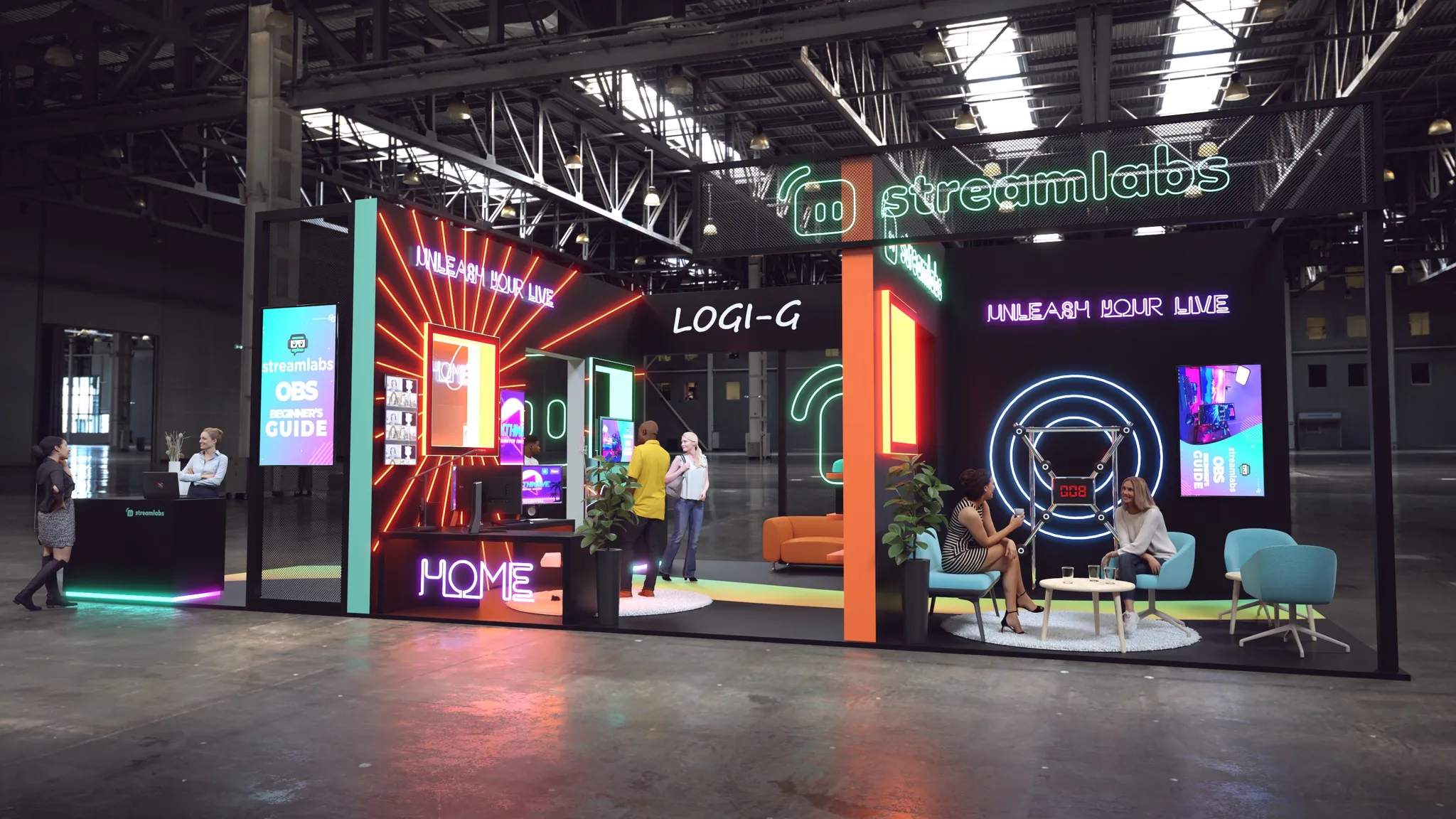
Backwall and backdrop displays in Irvine, CA cover the big vertical surfaces that anchor a presence: silicone-edge-graphic (SEG) fabric walls, pop-up displays, and step-and-repeat backdrops for media and photo moments.
These are the displays people see first. An SEG wall delivers a smooth, edge-to-edge graphic; a pop-up sets up fast for repeat use; a step-and-repeat puts the brand behind every photo at an activation or press event.
Trade Show Services of Irvine designs and builds backwalls for booths, stages, lobbies, and brand activations, with a heavy line of work tied to the Irvine Spectrum and Great Park event scene where backdrops carry the moment.
Execution priorities
- the graphic should be built smooth across the full wall, with no visible panel seams.
- a step-and-repeat logo pattern should be spaced to read inside a cropped photo.
- the frame should free-stand or be supported per the venue's rigging rules.
- the wall should break into crates that match the venue's dock and freight windows.
What a backwall does for an Irvine presence
The backwall is the brand's biggest statement on the floor. Whether it sits behind a 10x10 inline or anchors a large activation, it is the surface that decides how the whole presence reads from a distance.
SEG fabric walls have become the default for serious exhibitors because the graphic is smooth and the fabric packs into a fraction of the space a rigid wall needs. Pop-ups remain popular where speed and easy reuse matter more than a perfectly flat surface.
Step-and-repeat backdrops are a category of their own, built for press lines, red carpets, and social photo moments where the goal is the brand appearing in every shot.
Activation venues that lean on backdrops
Brand activations and photo moments cluster in the Irvine Spectrum and Great Park belt. Great Park Live, a venue that can hold a crowd of 5,000 for concerts, graduations, and community events, is exactly the kind of place a large step-and-repeat or stage backdrop earns its keep.
Convention-scale backwalls point toward the Anaheim and Garden Grove belt. The Hyatt Regency Orange County in Garden Grove carries 65,000 square feet of meeting space and a 17,000-square-foot Grand Ballroom a mile from the Anaheim Convention Center, a setting for large stage and ballroom backdrops.
Corporate backwall work fills the airport corridor. The Hilton Orange County/Costa Mesa, with 47,679 square feet across 30 meeting rooms, hosts the kind of general sessions and breakouts where a clean stage backdrop frames the program.
Why a local builder matters for backwalls
A backwall is large, graphic-heavy, and unforgiving of error. A seam in the wrong place, a color that drifts between panels, or a frame that arrives bent all show up at full scale on the floor.
Trade Show Services of Irvine prints the fabric and builds the frames locally, so a wall gets color-checked and dry-fitted before it ships, and a damaged panel is a same-week reprint rather than a lost show.
For repeat programs, a backwall frame with rotating SEG graphics is one of the smartest investments an exhibitor can make. The aluminum frame lasts for years; only the printed fabric changes between shows.
Rigging, support, and venue rules
Most backwalls free-stand, but large or overhead-supported walls bring the venue's rigging rules into play. Hanging structure or signage above a backwall has to go through the building's approval path.
At the largest venues that work runs through preferred vendors. The Anaheim Convention Center, for example, designates an in-house preferred AV vendor with rigging exclusivities in certain areas, which a big stage backdrop has to be planned around.
Where rigging is restricted, the wall is engineered to free-stand with weighted or braced supports, which affects the footprint and has to be designed in from the start.
Districts where backwall work concentrates
The Irvine Spectrum and Great Park growth belt drives activation and step-and-repeat demand tied to entertainment and brand events.
The Anaheim and Garden Grove convention belt carries the large stage and ballroom backdrops, while the Irvine Airport and Business Complex core covers corporate general sessions and booth backwalls.
What a backwall project includes
A backwall scope covers the frame (SEG aluminum, pop-up, or a step-and-repeat stand), the printed graphic (smooth fabric or panels), lighting where it features the wall, and the crates or cases to move it.
Line items usually include the wall structure, graphics and print, any accent lighting, freight both ways for larger walls, a labor call where the venue requires assembly help, and on-site supervision for big installs.
The handoffs are graphic-critical. The artwork has to be built smooth to the finished wall size, the fabric has to be color-managed, and a step-and-repeat pattern has to be spaced so the logo lands inside a cropped photo.
Scope names the exclusions: organizer fees, client-produced artwork, and any rigging the venue insists on handling through its own contractors.
How a backwall project runs
It starts with the venue, the date, the wall's purpose (booth, stage, or photo moment), and the budget, because those decide SEG versus pop-up versus step-and-repeat.
Venue coordination follows: pull the manual, confirm whether the wall free-stands or needs rigging approval, and place any power order for accent lighting against the building's specs.
Production prints the fabric, builds the frame, and dry-fits the full wall in the shop so the graphic is verified smooth before it ever reaches the floor.
Install is owned by a named lead for larger walls. Through the event the team handles any repair, and closeout strikes the wall, repacks the fabric, and notes graphics to refresh for the next date.
Cost and lead time for backwalls
Cost tracks the wall type and size, the graphics, the lighting, and whether the build needs freight and labor. A pop-up is the most affordable; a large SEG or rigged stage backdrop sits at the top.
Lead time runs about 4 to 6 weeks for a pop-up or a standard SEG wall, and longer for large custom or rigged backdrops that need engineering and venue approvals.
The reuse math is strong. An SEG frame with swappable graphics turns each new Orange County show into a fabric reprint rather than a full rebuild, which steadily lowers the per-event cost.
Frequently asked questions
What types of backwall displays do you build?
SEG silicone-edge-graphic fabric walls, pop-up displays, and step-and-repeat backdrops. SEG walls give a smooth graphic surface, pop-ups set up fast for repeat use, and step-and-repeats put your brand behind every photo at an activation.
What is a step-and-repeat and when do I need one?
A step-and-repeat is a backdrop printed with a repeating logo pattern, built for press lines, red carpets, and social photo moments. The pattern is spaced so the brand reads inside a cropped photo no matter where someone stands against it.
Why choose an SEG fabric wall over a rigid backwall?
An SEG wall delivers a smooth, edge-to-edge graphic and packs into a fraction of the space a rigid wall needs. The aluminum frame reuses for years, and you reprint only the fabric, which makes it the most flexible large-format option.
Do backwalls require venue rigging approval?
Most free-stand and do not. Large or overhead-supported walls bring the venue's rigging rules into play, and at big buildings like the Anaheim Convention Center that work runs through a preferred AV vendor. We confirm the path before the build.
Can one backwall frame be reused across multiple shows?
Yes, and it is the smart move. An SEG frame lasts for years while only the printed fabric changes between shows, so each new Orange County date becomes a reprint instead of a full rebuild, lowering the per-event cost over time.
How big can a backwall or backdrop be?
From a single-booth backwall up to a large stage or activation backdrop. Bigger walls may need engineering, free-standing supports, or rigging approval, all of which we design in from the start rather than discovering on-site.
How long does a backwall take to produce?
About 4 to 6 weeks for a pop-up or standard SEG wall. Large custom or rigged stage backdrops need longer because of engineering and venue approvals. Rush work is possible but narrows the structure and graphic choices.