
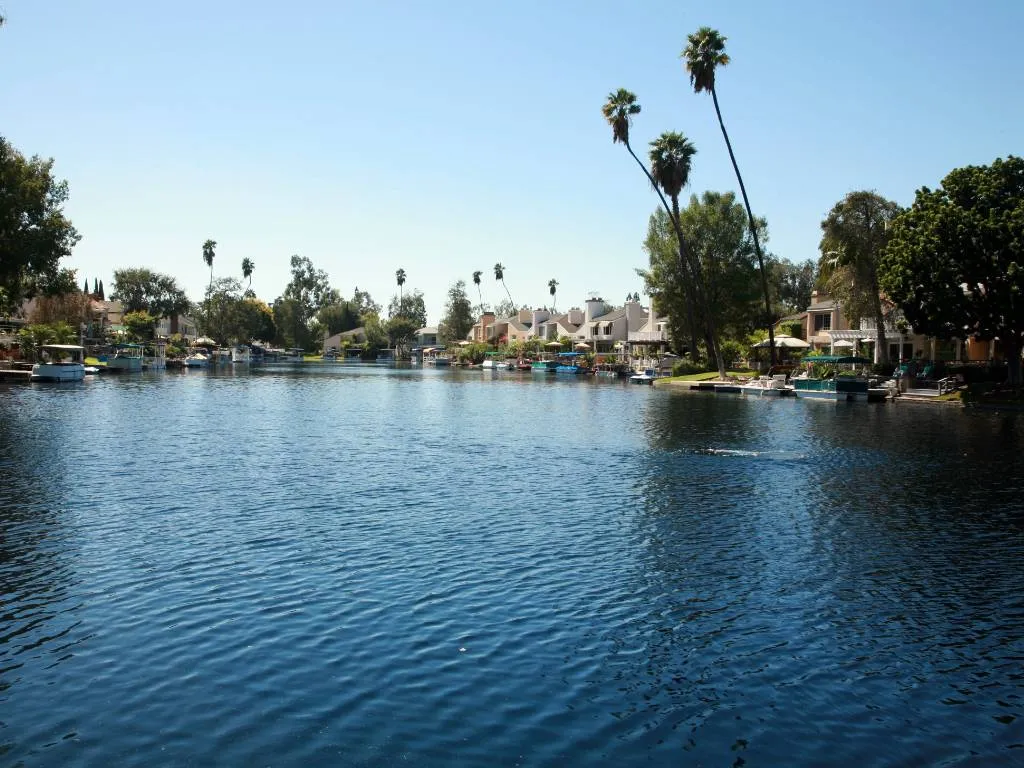
Lake Forest in Irvine, CA is designed around venue approvals, event outcomes, and the practical realities that decide whether an exhibit or event opens cleanly.
That matters in a market where venue rules, access patterns, and production deadlines can shift fast, because the strongest programs are the ones that keep risk visible before the crew reaches the floor.
Execution priorities
- exhibit formats should be locked before creative release for Lake Forest.
- exhibit formats should be visible to venue contacts and the field lead.
- staffing should be tracked through install, live hours, and strike.
Trade show work in Lake Forest
Lake Forest is part of the Irvine event market. Shows and meetings book here alongside the larger Irvine calendar.
Production for the forest shows starts with the same brief we run for the rest of Irvine: venue specifics, show dates, footprint, outcome. Freight paths and local vendor availability are the variables that shift from the city core.
How Irvine floor operations work
Labor in Irvine runs venue-by-venue, not citywide.
The Anaheim Convention Center has explicit venue-level service exclusives. Its facility guide identifies Smart City Networks as the exclusive provider for client and exhibitor voice, data, internet, cable TV, and networking services; Encore as the in-house preferred AV vendor with rigging and house-sound exclusivities in designated areas; and Aramark as the exclusive food and beverage provider.
The buildings that host Irvine events
The Westin South Coast Plaza, Costa Mesa.
Irvine Marriott: large airport-corridor conference hotel with indoor and outdoor meeting product suited to exhibits, sponsor activations, and ballroom programs.
The Irvine event landscape
UCI-operated venues such as the Cove and the Student Center Conference Center show that Irvine has university, innovation, research, and campus-linked event demand beyond hotel ballroom business — a useful reference point when sizing a project.
The Anaheim Convention Center remains a major nearby demand engine with 1.8 million square feet on a 53-acre campus, which means Irvine and South County crews can capture overflow, hotel, airport, and off-site activation work tied to Anaheim shows.
What's included in the project scope
For programs that repeat, asset management becomes part of the engagement — storage, graphic rotation, refurbishment, and re-crating are planned rather than one-off.
Scope boundary is as important as scope inclusion.
How a project runs
Once scope is clear, the venue work begins.
One named show-site lead runs the install.
That document drives the next booking.
What it costs and how fast it moves
Cost scales with how it is built, how big it is, what the venue charges for its own services, what the graphics look like, how far the crates travel, and how many days the team stays on-site.
Rental programs run on 8 to 12.
Outcomes we optimize for
Trade show ROI is measured at the lead and pipeline level.
The post-show debrief is where the numbers get connected back to the physical booth. Which demo station drew traffic, which meeting area closed more conversations, which graphic zone attracted dwell time — that feedback shapes the next build rather than getting lost.
How we're built to run your project
Local fabrication means real-time problem-solving. A graphic that needs to be reprinted at 6 a.m.
Clients who run repeat programs across multiple dates end up paying less per event when the same team handles everything. Less re-briefing, less re-training, less re-checking — the operational overhead drops year over year.
Frequently asked questions
Do you work at Anaheim Convention Center?
Yes. West Coast anchor convention campus that drives a major share of large-format trade-show demand for the Irvine-to-Anaheim corridor.
How does labor work in Irvine?
It runs venue by venue.
How much lead time is ideal?
Custom builds run best with 16 to 20 weeks of lead time. Rentals take 8 to 12 weeks.
What information kicks off a project?
The show, the venue, the booth number, the dates, and a target budget range. From those, an initial scope and a realistic cost come back within a few days.
Who runs the booth on-site?
One named show-site lead runs the install, the show hours, and the strike. That person carries the floor plan and the punch list from crates to doors and reports up once a day.
Can the booth travel to the next city on our calendar?
Same structure, swappable graphics, standard crates.
What happens if something breaks during show hours?
The on-site lead handles it.